Young Opera
Interest in musical theatre is not a matter of age, but curiosity and openness! We at the Junge Deutsche Oper open doors behind the scenes and to rehearsals, break down barriers through entertainment and creativity, and turn the opera house into a creation space for everyone who has fun listening, playing and creating sounds: children, adolescents, families, young adults and everyone who is curious enough to discover and try out something new with us.
Deutsche Oper Berlin is paving new ground with the 2026/27 season under the directorship of Aviel Cahn and his team: The opera will become a place of community and dialogue, where tradition meets radical modernity. The Junge Deutsche Oper is making a significant contribution to this by creating spaces for getting to know and experience musical theatre in age-appropriate ways. We are building on a proven foundation and our popular events will remain in place. At the same time, we want to expand our programme to create more accessibility and opportunities for involvement and participation for all age groups. Youth is not limited to babies, toddlers, school children or adolescents in the context of family, day care and school, but also all (young) adults for whom a visit to the opera is something new and a look behind the curtains and creative processes opens the door to new worlds.
For this reason, we are very excited about our first big community project with which we hope to network directly with Charlottenburg. «You will hear nothing: you will hear everything.» This slogan, a quote from John Cage, will open up the opera house at the end of the new season as a place of simultaneousness, where everyone – truly everyone! – is invited to become actors in John Cage’s Music Circus. Under the overall direction of Titus Engel, choirs, ensembles and individuals will join the professional musicians and singers of Deutsche Oper Berlin to merge into a single sound body in a large musical event in front of and inside the opera house!
|
With the generous support of  |

|
Contact
Team leader Fanny Frohnmeyer
frohnmeyer@deutscheoperberlin.de
Coworkers Anne Keil, Emily-Marie Schmidt, Madeleine Kandschur, Thurid Raupach (FSJ Kultur)
jungedeutscheoper@deutscheoperberlin.de
Termine nach Absprache, Buchung unter:
jungedeutscheoper@deutscheoperberlin.de
Appointments by arrangement; bookings at: +49 30 343 84-474
Would you like to book for a nursery group or school class?
Newsletter
Subscribe to the Junge Deutsche Oper newsletter and receive regular updates on our program and news on music theatre education and participatory projects. We will also inform you about the opportunities for young people, families, teachers and educators to get an insight about the Deutsche Oper Berlin and to be involved.
Around the World in Eighty Days
Family opera (for ages 7 and up) by Jonathan Dove
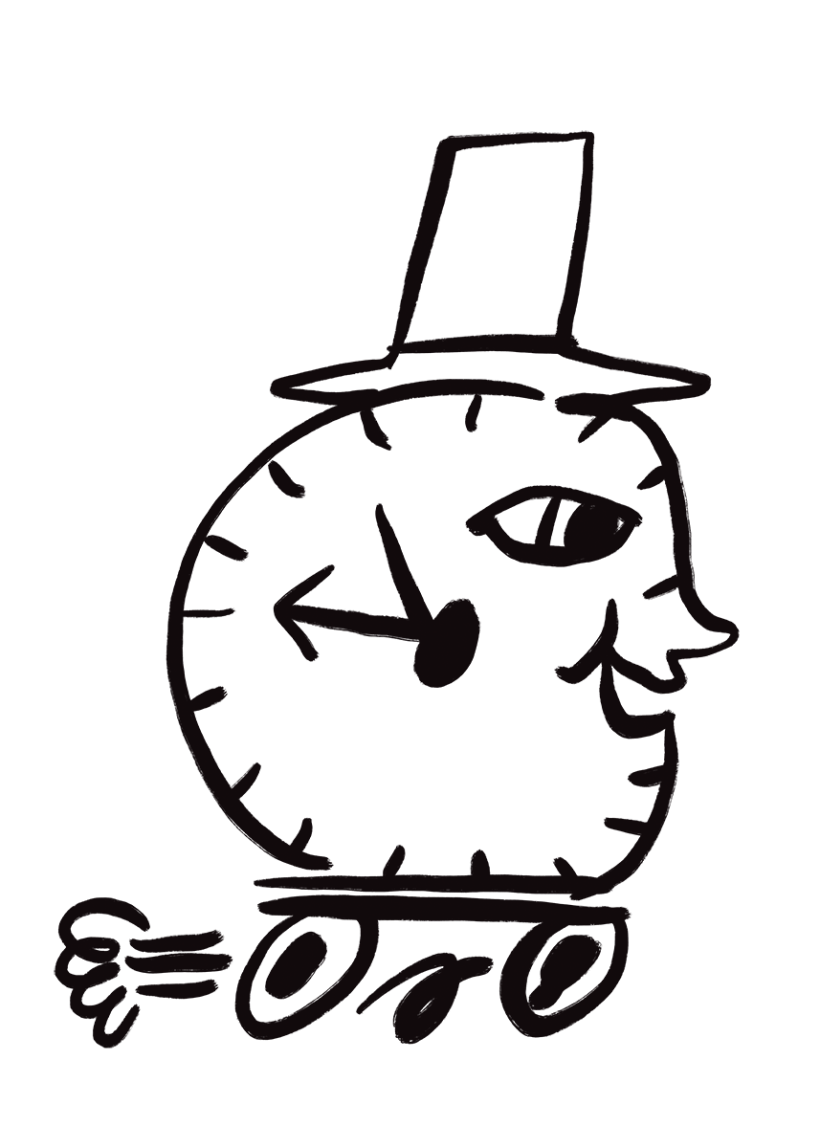
Max loves to read. Now a book written over 150 years ago has captivated him: In 80 Tagen um die Welt by Jules Verne, known in English as Around the World in 80 Days. Not even Max’s girlfriend Josi can keep him from his reading, even though she feels he can’t escape into his own world in his attic forever. After all, reality is exciting enough, he should go with her to the important demonstration! Yet Max gets so lost in his book that the characters suddenly come to life and he takes on a key role in the story: Phileas Fogg, the eccentric English gentleman, takes on Max as his servant. Fogg has spent half of his assets to circumnavigate the world in 80 days. Nowadays that would be no problem, but it was a huge undertaking 150 years ago. Max, now named Passepartout, joins Fogg on an adventure into the past, visiting the Egyptian pyramids, India, Hong Kong and ultimately America. Sometimes they travel by train, other times by ship, even by elephant… Yet Detective Fix, who believes Fogg to be a wanted bank robber, is hot on their trail. Fortunately, Fogg is aided not just by Max a.k.a. Passepartout, but also by the very clever Aouda, who ensures that the constantly cool and collected Fogg suddenly shows emotions… This world-famous story that has often found itself on the big screen inspired English composer Jonathan Dove to craft a score that crosses the globe.
Peter Lund wrote the libretto and is directing the piece. The result is a fast-paced family opera that takes a new, tongue-in-cheek perspective of a fascinating tale. We are looking forward to presenting a new opera for the whole family on the big stage at Deutsche Oper Berlin.

Hamed & Sherifa
Musical theater for children (ages 7 and up) by Zad Moultaka
What would it be like if there were no more injustice in the world? If we were to overcome the power structures that suppress people? If nobody were to destroy the Earth, and if peace finally prevailed? If everybody could live and love as they wished?
The fairytale of King Hamed and Princess Sherifa tells of another time. Men and women were usually placed in strict boxes, where they were to remain, thank you very much. Most people thought that all women loved pink and soft fabrics and gossiped all day, while men liked war and strong spices and never bathed. Only when Princess Sherifa disguised herself as a man and visited King Hamed, who had banned all women from his kingdom out of rage, did these certainties suddenly come undone. King Hamed began to wonder: Are all men truly strong and love football? Could bravery and honour also be women’s virtues? Could men, too, have soft skin and lips? Can love truly be placed in a neat box? Are there more than two genders? Why do we have to package everything in two categories, and who even decided all of this anyway?
Exceptional artist Heinrich Horwitz narrates the family opera Hamed & Sherifa by Lebanese composer Zad Moultaka as a look back from a utopian future – a time when all forms of life and love are possible and accepted. It is also a time when all barriers have been overcome, including those between the audience and the stage: When the performance is over, audience members big and small become part of one vibrant community.
John Cage founded the Music Circus in 1967, a musical “happening” in which any number of artists appear in one place at the same time. It is an anarchistic community composition where nobody directs and nobody is at the forefront. The audience itself decides what to listen to and where to move. “Just let as many things as possible happen simultaneously,” wrote Cage. No hierarchy. No fixed result. What happens when everyone plays at the same time? A circus of possibilities, or: What does democracy sound like?
Titus Engel brings together amateur musicians and professionals from Deutsche Oper Berlin to embark on this radical experiment. Everybody can join and sing or play whatever they have in their repertoire. Nothing new has to be rehearsed or learned. Everybody brings their own musical material!
Who can participate?
Everyone! Individuals and musicians from all genres, choirs for all ages, ensembles from any musical institution and (youth) bands. In other words: everyone.
Where can I sign up?
Register by writing to: community@deutscheoperberlin.de
Can I show up without registering?
Yes, spontaneous participation is also possible. However, signing up helps us coordinate in advance.
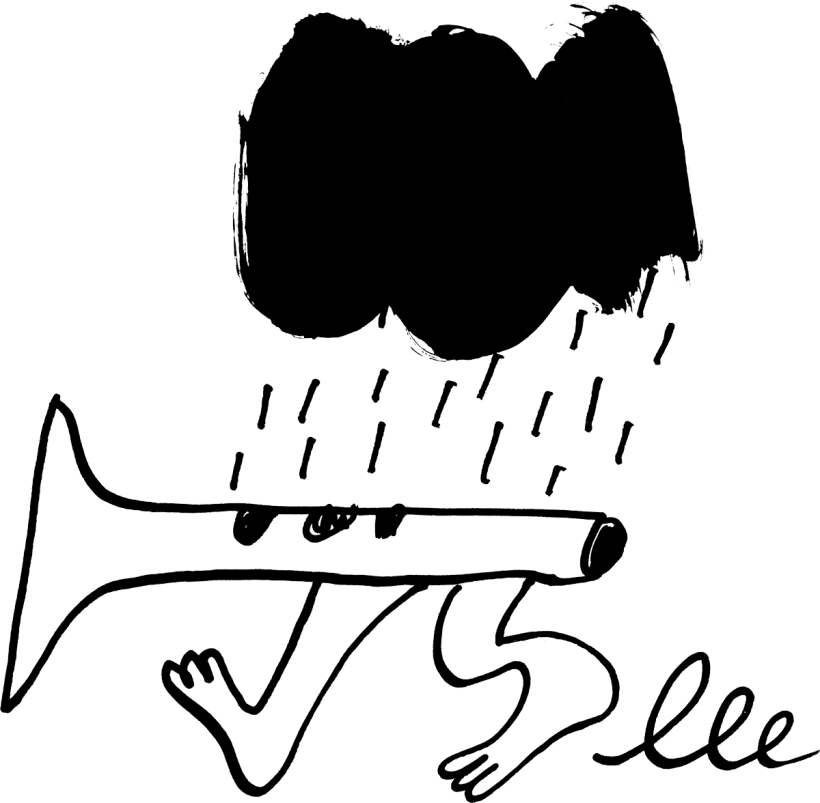
The Junge Deutsche Oper is continuing its participative and inclusive work. Children and youths with and without disabilities work together to develop a piece of musical theatre while discovering their personal and individual forms of expression. The opera becomes a space of action for youth-related themes that can be brought to the stage through artistic means. What kind of music does the world need? What kind do I, and our society, need?
These questions are influenced by John Cage, who can be found at various points in the Deutsche Oper Berlin programme for this season. Children and youths between 9 and 18 years of age take these questions under the guidance of art educators to create their own piece of musical theatre. At the heart of this project are participation, self-realisation and artistic diversity: Everybody brings with they have, be it their voice, instrument, movement, sound, idea or experience.
A central motif of this project is the process of «vibration» in the sense of internal, external and social movement. The participants address the question of what moves them emotionally and physically, and what acoustic environments and impressions they encounter every day. These individual experiences become the source material for sound experiments, scene developments and choreographic processes. The concept of «sound» is deliberately broad: Voice, body, objects, everyday objects, ambient sounds and instruments are all treated equally, all in line with the concepts of John Cage.
At the same time, the project is a place for expressing desires, needs and demands of the world and society: What can we counteract with music (or silence) in these times of «uncertainty»? How can I listen well to myself and my needs? What message should my music send? How can music help us and make us move in our own way again? What kind of music does the world need now and going forward?
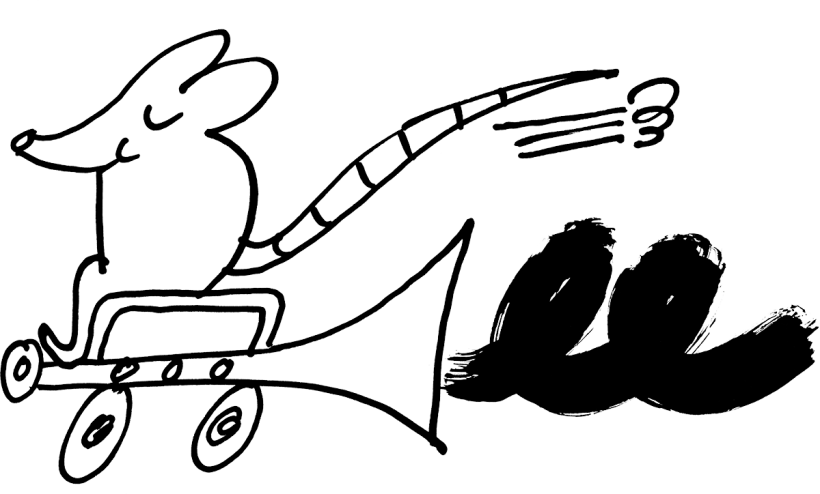
The children and youths will come together for weekly rehearsals between January and June 2027 to listen, experiment, create and work according to the methods of John Cage or community music. Throughout the project, the groups will increasingly mingle and the various worlds of experience, forms of expression and perspectives will be deliberately used as artistic resources for joint final performances at the Tischlerei in June 2027.
The result is a work of musical theatre that, as Cage taught, may be entirely left up to chance. It could be more like a happening or a score with fixed principles and rules.
| With the support of | |

|

Opera is at its most tangible when you can experience and feel it live. The range of opera material also makes it possible to address topics in an interdisciplinary manner and explore different perspectives of social or historical debates via the form of musical theatre. We offer different formats for school classes that appropriately introduce each age group to the genre and what makes it unique. Teachers have the opportunity to learn or expand methods of musical theatre education.
TUSCH – Theater & Schule
One important partner in the city is TUSCH – Theater & Schule. Every three years, we enter into a new partnership with a school in Berlin. This means innovative exchange between the school and the opera. We are currently in a partnership with the Herder-Gymnasium in Berlin Westend. For the 2026/27 season, we want to use the production of Good Vibes Only to encourage artistic discussion with adolescents that addresses the excessive consumption of Internet content and works with the participating students to create a unique musical theatre performance.
House tours
… for all class levels let them take a look behind the scenes. The giant set designs are waiting to be seen! You can also step up onto the big stage where opera singers belt out their arias, look into the orchestra pit and learn how the stage designers prepare the props or how other teams get ready for a performance. Tours for school classes last 60 to 90 minutes, or about 30 minutes for day care groups.

Opera workshops
… are an ideal way to prepare all class levels for a visit to the opera. Who is in love with whom? Is there a happy ending, or does it end in death? What did the directorial team have in mind with putting this show on? And what does a visit to the opera even involve? We offer workshops before or after almost all productions, which school groups can book for free in conjunction with a visit to the opera.
We are also offering workshops before or after the children’s operas Around the World in Eighty Days (on the big stage in December 2026 and April 2027) and Hamed & Sherifa (in the Tischlerei in May 2027).
In addition, we offer entertaining workshop formats for younger classes or inclusive groups who want to gain a first look at what musical theatre actually is and what defines opera as an art form.
Rehearsal visits
… on the main stage, in the orchestra rehearsal hall or instrument presentations provide a particularly lively and direct look at the work of musicians at an opera house. The musicians’ work is especially intensive in the orchestra rehearsal hall. Do you want to try your hand at an instrument? ... With us, you’re able to!

Costs and booking the workshop
Workshops and house tours in conjunction with a rehearsal visit are free. Workshop formats without a rehearsal visit, as well as instrument presentations, cost €5.00 per person.
Appointments are arranged individually via
jungedeutscheoper@deutscheoperberlin.de
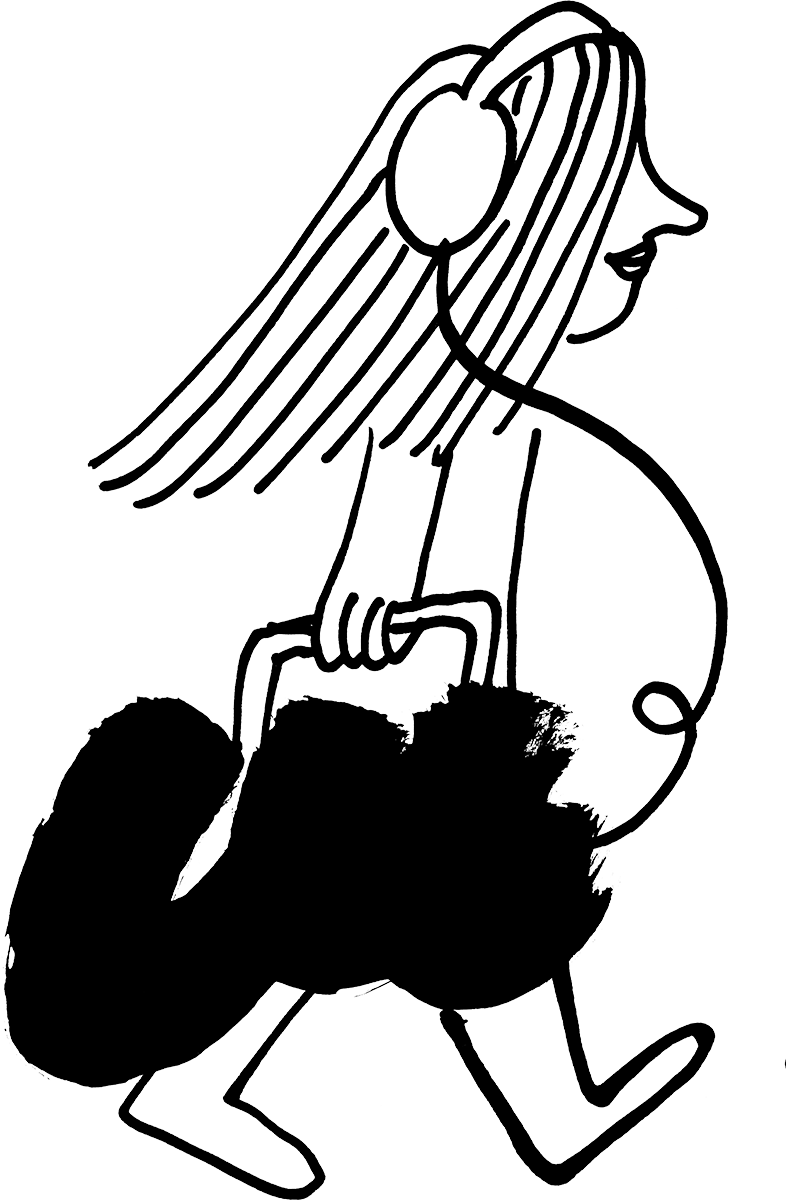
Early childhood cultural education is a key priority at Deutsche Oper Berlin. This makes it unique among operas in the city. We firmly believe that cultural participation cannot start early enough! With this conviction, we take our young audience seriously and rouse their curiosity, promote sensory perception and invite children and their families to explore worlds of sound and experience them in person.
We are the only opera house in Berlin to work with TUKI – Theater und Kita (Theater and Daycare), with whom we have had a partnership since 2013. Through this cooperation, we are building a bridge between the opera house and everyday life at day care centres. In multi-year partnerships, care workers and artists research together with the children: What sounds can I hear and make myself? What does rhythm feel like? How do music and images come together in a performance? This makes the opera an integral component of life at day cares in Berlin.
With children in day cares as well as our partner TUKI Bühne, we have gone on a musical excursion and jointly developed Expedition TIRILI. Using few props but maximum musical power, we fill our foyer with sonic images tailored specifically to the attention spans and needs of young audience members.

Our project Opera Families is geared toward families who are not yet familiar with the opera. The priority here is shared experimentation in order to break down apprehensions, establish the opera as a communal space for all generations and open up new sonic worlds and experiences. This project is supported by the Heinz und Heide Dürr Stiftung.
Our Baby concerts (0 to 2 years old) and Concerts for Kids (3 years and up) have no barriers to accessibility, and the children crawl or sit on cushions as they are immersed in sound. From gentle flutes to playful horns, children are welcome to marvel, move around and babble.
| With the support of |

|
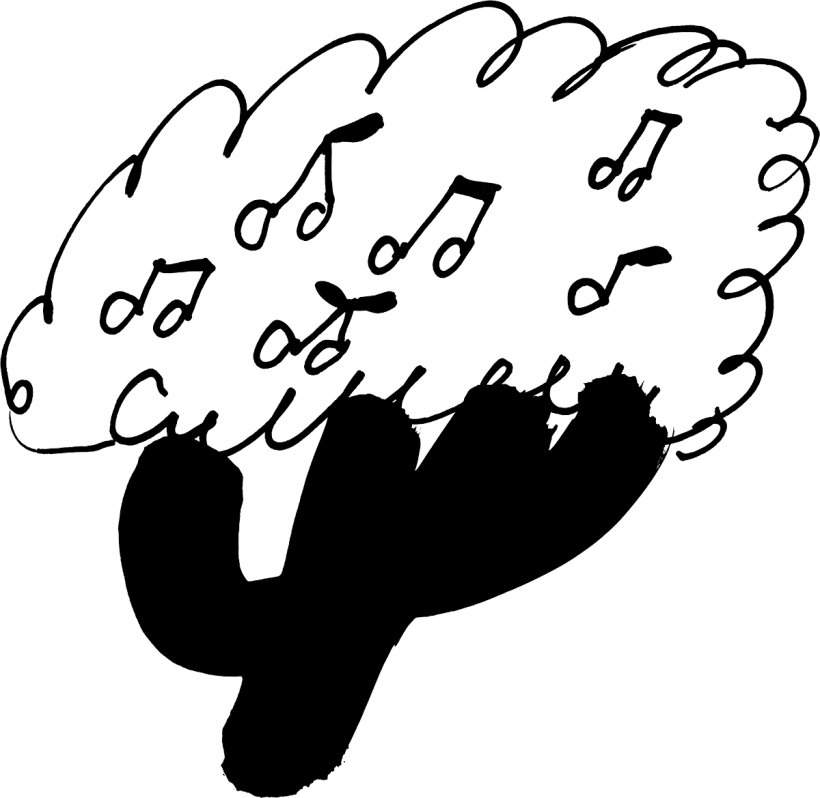
The Junge Deutsche Oper is growing with you. From students and career newcomers to middle-aged individuals interested in the theatre: We invite you to experience opera for what it is: an emotional reflection of our society. With Aviel Cahn’s directorship, we will provide more (young) adults insight into musical theatre work and create formats in which participants can get actively involved.
Our new Atelier format opens up creative spaces where participants can explore artistic methods in a range of areas. We invite artists from select new productions to present their work methods and give participants the opportunity to aesthetically express themselves with these tools. Ateliers (studios) with an opera singer, a stage and costume designer, and an author are currently planned.
Interested in the opera without the strict etiquette, and have no one to accompany you? With our Schauklub Opernsenf, we attend a performance together. The best part: There are big discounts on the tickets! And then we get down to business: Who betrayed whom? Could the set design not have been cooler? Regardless of whether you are an opera pro, a fan or a first-time attendee, we want to know what you think. Everybody gets to share their two cents. The deal: Affordable tickets & cool people. The mission: Your perspective matters.
Contact: jungedeutscheoper@deutscheoperberlin.de
or Instagram DM: junge_deutscheoperberlin
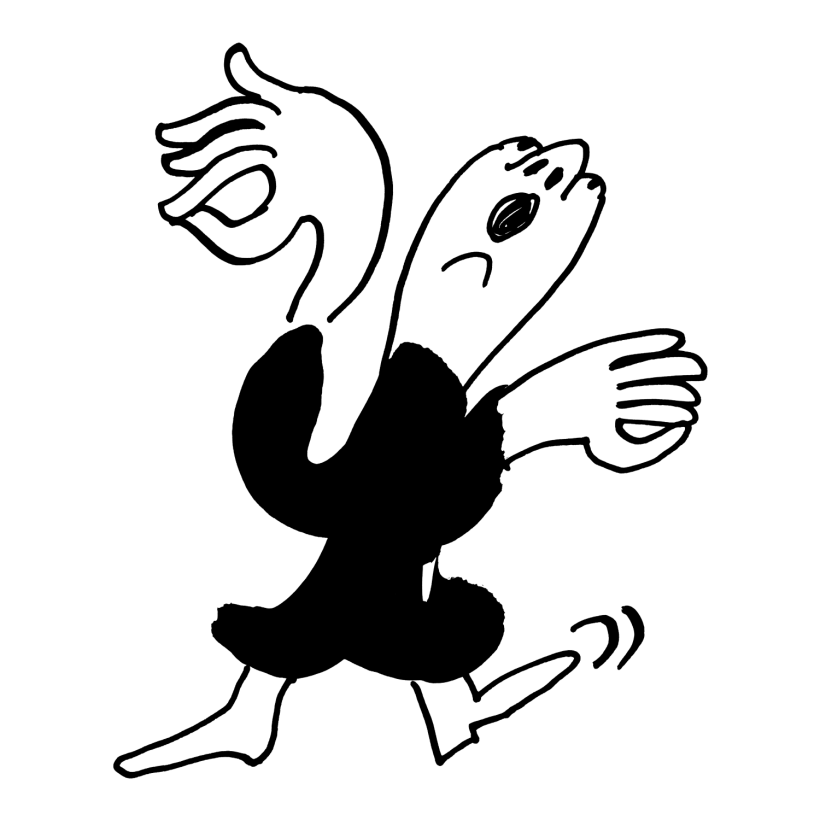
Music knows no age: The Generationenchor (Generational Chorus) brings people of every age and from all backgrounds together. Whether you have grandchildren in tow, have convinced your neighbour to come out or just want to stop by on your own, you will find what you are looking for. The best part? You help decide! Our repertoire is as colourful as the group itself, from heartwarming folk songs and world music to your favourite pop songs. Together, we are working toward two highlights: We are part of the massive community project Music Circus on 12 June 2027 and are shaping our own concert programme in the foyer. We are celebrating love in accordance with our slogan: «Make love….»
Director: Senta Aue (alto in the Deutsche Oper Berlin Opera Chorus)
Participation is free of charge. 12 years of age and older.
Rehearsals are held Mondays from 16:00 to 17:30 at Deutsche Oper Berlin.
Anmeldung: jungedeutscheoper@deutscheoperberlin.de

Team und Kontakt
Fanny Frohnmeyer
Team leader
Fanny Frohnmeyer studied Applied Theatre Studies in Gießen and graduated in 2012 with a focus on sound art and sound design. Since then, she has worked as an artistic production manager for Heiner Goebbels and She She Pop, among others, with whom she also toured internationally, as well as for various festivals and at HAU Hebbel am Ufer. After further training as a cultural specialist, she shifted her work focus to cultural education in 2018, with a particular focus on music theatre. She worked as a production and project manager for TUKI - Theater & Kita and TUSCH - Theater & Schule until she took over as director of Junge Deutsche Oper in August 2022.
Deutsche Oper Berlin
Junge Deutsche Oper
Richard-Wagner-Straße 10
10585 Berlin
Telephone: + 49 30 343 84-534
E-Mail: frohnmeyer@deutscheoperberlin.de
Emily Marie Schmidt, Anne Keil, Madeleine Kandschur
Coworkers
Telefon: +49 [30]-343 84 474
E-Mail: jungedeutscheoper@deutscheoperberlin.de
Thurid Raupach
FSJ Culture
E-Mail: fsj-jungedeutscheoper@deutscheoperberlin.de
Freelancers
Senta Aue, Andrej Bartmann, Dorothea Böhland, Niklas Brubach, Pauline Jacob, Elly Jarvis, Kay Keßner, Jessica Kioumourtzis, Susanne Lawrenz, Chris Luers, Lukas Macher, Orlando Meier-Brix, Henriette Mödig, Sylvia Neugebauer, Charlie Rackwitz, Jörg-Peter Riekert, Cathrin Romeis, Lisa Schmalz, Franziska-Marie Scholz, Emily-Marie Schmidt, Tillmann Triest
Newsletter
Subscribe to the Junge Deutsche Oper newsletter and receive regular updates on our program and news on music theatre education and participatory projects. We will also inform you about the opportunities for young people, families, teachers and educators to get an insight about the Deutsche Oper Berlin and to be involved.
We would like to thank our partners and sponsors for their excellent cooperation and generous support:
|
|
 |
 |
 |
 |
 |
 |
 |
 |
|
The Junge Deutsche Oper is active on the following networking platforms:
 |

|
 |
 |
The Junge Deutsche Oper is supported by the Karl Schlecht Foundation.